Summer Contest Winner
September 8th, 2013
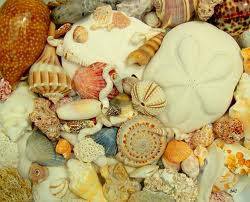
Vincent was the winner of our Summer "Count the seashells in the jar" contest. He won a $25 Visa gift card. Congratulations Vincent!!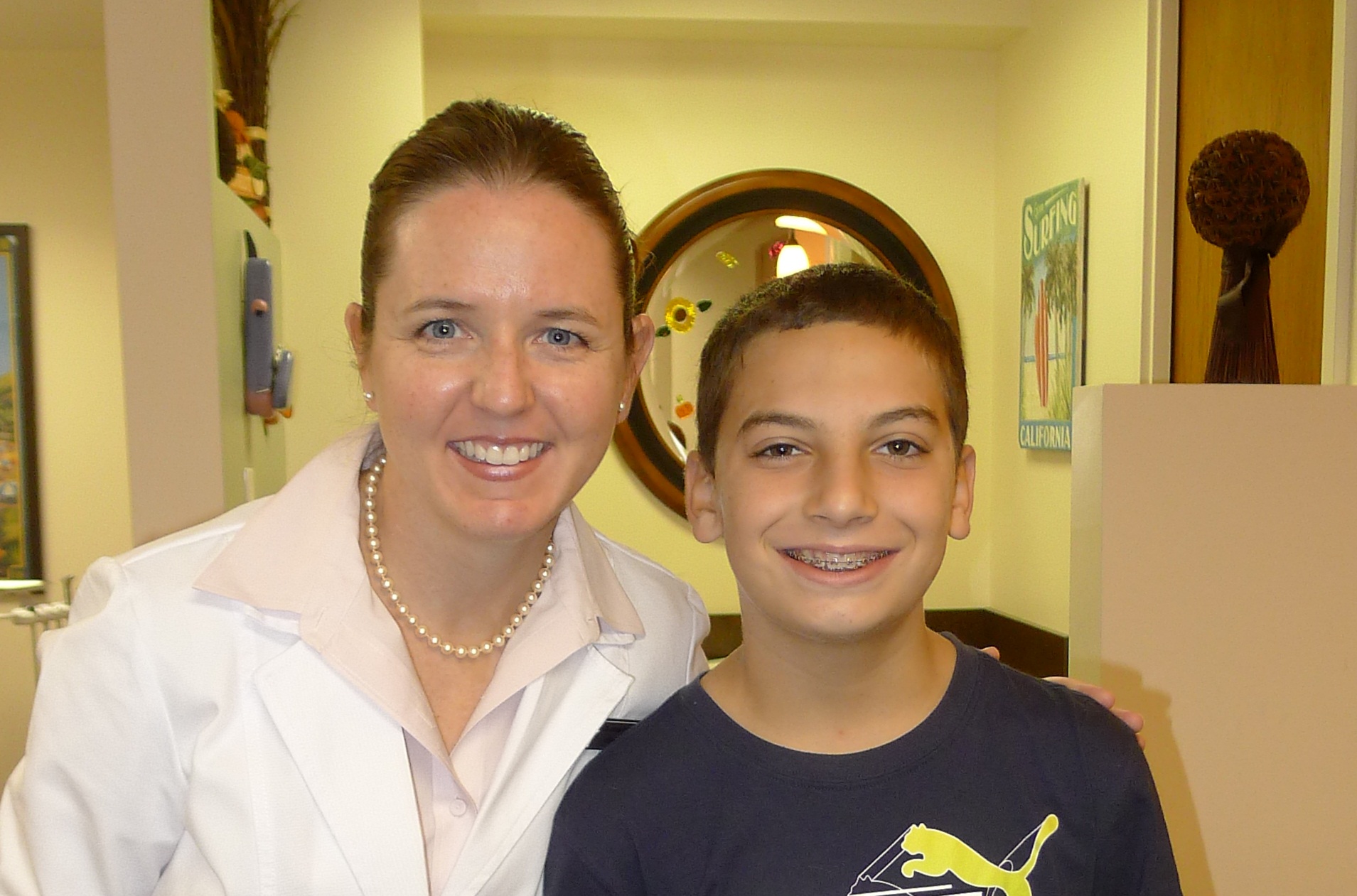
Vincent was the winner of our Summer "Count the seashells in the jar" contest. He won a $25 Visa gift card. Congratulations Vincent!!
The habits your children develop now will follow them the rest of their lives. That's why it's so important to make sure they learn to brush and floss properly. Here are some tips for helping young children develop good dental hygiene habits.
Start Early
Dental care should begin as soon as the child's first tooth appears. Even though your child will be too young to understand the process, getting them used to the toothbrush and the sensation of brushing early will help build a lifetime of good oral health habits. The American Dental Association advises cleaning babies' teeth with water and a soft, child-size toothbrush from the time the first tooth appears up until two years of age. Between ages two and six, a pea-sized dollop of fluoride toothpaste can be used. Parents should always supervise their children while brushing, both to see that the job gets done and to ensure that they do not accidentally swallow the toothpaste.
Set a Good Example
As soon as your child can brush their teeth on their own, start brushing along with them. This will help them see that brushing is an important adult activity they should want to participate in. Plus, it will give you something productive to do while supervising their daily dental care routine.
Get Kid-Friendly Tools
In order to make dental hygiene more fun, you should consider investing in some of the many kid-friendly toothbrushes, toothpastes, and flossers. You should definitely use flossers instead of regular dental floss because they are easier for kids to handle. Kids' oral care items come branded with just about every cartoon character imaginable. Some toothbrushes spin, play music, or have moving parts that make them almost like a toy. You might consider having a stash of different brushes and letting your child choose which one to "play" with each time they brush.
Make It a Game
Tooth brushing is boring for adults, so it's no surprise that kids hate it too. One way to prevent your child from blowing through the brushing in two seconds flat is to turn it into a game. Try using a smartphone app like Brush DJ or Star Teeth, which challenges kids to brush along to a song or video for the recommended two minutes and helps the time pass faster.
Use Rewards
In order to make dental hygiene into more than just a chore, offer rewards for good technique and good behavior. For example, you might award points for each brushing session completed without complaining, or for each time your child remembers to floss without being reminded. When you child accumulates enough points, you can offer them a reward like a new toy or a special snack.
Ensure Dental Visits Are Positive
Children should have their first dental visit by the time they are 1 year old. In order to set the stage for many happy dental checkups down the road, be sure to select a non-threatening, kid-friendly dentist who can deliver a positive experience. You can also use various videos beforehand to help your child understand what to expect from their first visit to the dentist. If you need help finding a dentist for your child please call our office at 508 319 1545 and we would be happy to give a recommendation.
Article Source: http://EzineArticles.com/?expert=Dr_Jaime_Breziner
Keeping your teeth sparkling clean with braces is not easy! At Lakewood Park Orthodontics, we stress the importance of excellent brushing habits and agree with the recent studies done by the American Journal of Orthodontics and Dentofacial Orthopedics that electronic toothbrushes (particularly the Oral-B Professional Healthy Clean + Floss Action Electric Toothbrush with SmartGuide) do a better job than regular toothbrushes. They are expensive at stores, but you get a discount of 40% by buying through your dentist or orthodontist. Next time you are in the office, just ask any of the staff members for more information.
Here's some more information about electric toothbrushes in case you are considering purchasing one. In any case....just keep brushing!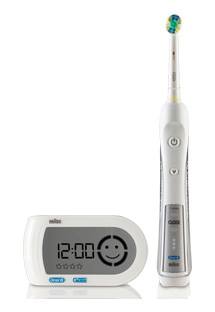
Features of A Power Toothbrush: Simply stated, rechargeable electric toothbrushes (or “power” toothbrushes) provide superior plaque removal to regular manual toothbrushes. And because they provide the brushing action for you, many people find using power toothbrushes easier than using regular manual ones. Additionally, with so many different types and features available, it’s easy to find one that suits your specific oral health needs.
Superior Plaque Removal: According to a 2005 independent study, “Brushes that worked with a rotation oscillation action removed more plaque and reduced gingivitis more effectively than manual brushes in the short and long-term...
Ease of Use: Whereas you have to move a regular manual toothbrush back and forth along your teeth, power toothbrushes provide the cleaning action for you. That means you need only guide it along the surfaces of your teeth. Once they get the hang of it, many people find this method of brushing easier. Likewise, people with arthritis or other similar conditions may find using a power toothbrush less painful. Power toothbrushes may also help kids brush their teeth more effectively, but sure to check the age recommendations on an electric toothbrush before letting your child use it.
Technology and Features: Generally rich in technology and features, some power toothbrushes can even enable you to improve your brushing habits. And most come with convenient features like a brush head or toothbrush holder, bathroom-counter storage units and travel toothbrush chargers. Hi-tech features may include:
•Numerous brushing modes specialized for sensitive teeth, whitening benefits or gum-massaging action
•Pressure sensors to signal when you’re brushing too hard
•Timers to help you keep track of how long you’re brushing each quadrant of your mouth
•Digital reminders to replace your brush head
•Oscillating-pulsating and cupping, oscillating-rotating or sonic technology
•Multiple brush head compatibility so you can choose which kind of bristle design you prefer
Well, the outside thermometer tells us that summer is definitely in full swing! Our office is all decked out in a summer theme now and we have a new contest to go along with it. Patients who guess the number of seashells in our vase at the front desk will win a $25 Visa gift card. Good Luck!